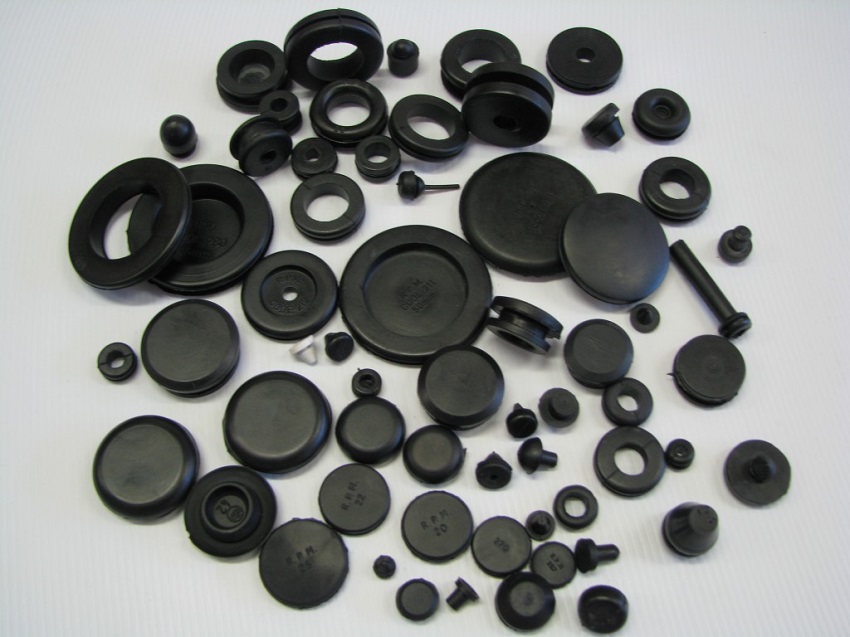
Part of any good cable management setup, grommets are what lets you route wires, hoses and tubing safely through panels, walls or enclosures. The grommet protects both the material passing through and the sharp edges of the hole itself. Grommets have been around for decades but remain standard in Australia for automotive, electrical, marine and industrial work.
They come in different variations depending on the hole size, environment and application, and in some industries, they are as important as clothing. Cable routing might sound like a small detail, but with basic knowledge about grommets, it won’t take long to start using them properly.
Types of Grommets
Open
The first and most common type of grommet you’ll come across is the open one. It features a central hole that lets cables or wires pass right through. These grommets protect wiring from sharp metal edges and are used in panels, machinery and vehicle bodies. No matter the setup though, every open grommet made of rubber works with standard round holes.
Closed
The complete opposite of open grommets are closed ones. These have no central opening and are used to seal off unused holes completely. A rubber grommet is the most common example, as it stops dust, water or insects from getting in.
Blanking
Blanking grommets work much like closed types but can be removed easily when you need to add a cable later. Their flexibility makes them handy for maintenance jobs. You can find rubber grommets for sale at most hardware stores or online suppliers.
Semi-Closed
Semi-closed grommets have a thin centre membrane that you can pierce when needed. They keep the hole sealed until a wire or tube must go through. This design saves time during installation, making it ideal in case you change your plans later.
Horseshoe
Horseshoe grommets snap around existing cables without pulling them out. They’re great for retrofits or tight spaces. The shape grips firmly once fitted and protects against chafing.
Push-In
Push-in grommets are designed for quick installation. You simply push them into the hole and they hold tight thanks to flexible sides. No tools or adhesives are needed, which makes them popular for DIY jobs.
Edge
Edge grommets fit along the rim of a panel rather than in a single hole. They protect continuous sharp edges where cables run parallel. This type is common in large enclosures or machine guards.
Stepped
Stepped grommets have ridges that let you trim them to different sizes. One grommet suits multiple cable diameters. They’re practical when you need flexibility without buying extras.
Strips
Strip grommets come in long rolls to cover extended edges. They’re ideal for big openings or assembly lines. You cut them to length and fit them easily for full protection.
Materials
NBR
One of the most common materials used for grommet rubber is NBR or Nitrile Butadiene Rubber. It resists oil, fuel and grease which makes it perfect for engines and workshops. Rubber grommets for sale, made of NBR, handle tough automotive conditions quite well.
SBR
SBR or Styrene Butadiene Rubber, offers good strength at a low cost. It’s used in general setups where heavy chemicals aren’t an issue. The material stays flexible under normal vibration and wear.
Neoprene
Neoprene grommets resist weather and stay insulated even when wet. They’re suited for outdoor or marine use. You can rely on them in boats, caravans or exposed electrical boxes.
Silicone
Silicone grommets work in extreme heat or cold without cracking. They’re common in electronics and ovens. The material keeps its shape through temperature swings.
EPDM
Ethylene Propylene Diene Monomer rubber grommets stand up to UV light, ozone and rain. They’re built for long-term outdoor jobs like roofing or solar setups. Grommets made of EPDM can last years without degrading.
Why Use Grommets?
Protection
The main reason to use grommets is protection from sharp edges and friction. Without them, cables wear out fast, leading to shorts or leaks. A rubber blanking grommet shields wiring and extends its life. They also block dust, moisture, and debris. Rubber grommets seal unused holes tight which helps keep systems clean and reliable no matter the conditions.
Installation
Grommets make routing cables simple and neat. They create a snug fit that holds everything in place. Push-in or open types speed up the job without mess since, in most cases, no special tools are needed. The rubber grommets for sale come in kits with common diameters.
Options
Grommets give you choices for every situation. You can match the type of grommet to the hole and the environment. Stepped or horseshoe styles adapt to changes on the fly and they reduce noise from vibrations too. In vehicles or machines, a rubber blanking grommet quiets rattles.
Summary
Grommets might seem minor, but they keep cables safe and installations pro-level. From open grommets for wiring to EPDM for outdoor use, the right grommet handles any job. With grommets available everywhere, you can stock up and route cables the expert way every time.