What’s the first thing you need if you’re getting into gold prospecting? The right equipment: a pan, a metal detector, maybe even a sluice box. These tools are what turn curiosity into actual results. Without them, you’re just guessing. And just as important, you’ll need some knowledge about where to go and how to read the land, because the right spot makes all the difference.
What Is Gold Prospecting?
Gold prospecting sounds like the kind of activity everyone wants to try. Imagine heading out into the wild, digging through sand and rocks, and stumbling on a shiny nugget you could later sell to fund that early retirement you’ve always dreamed of. But in reality, it’s not that simple.
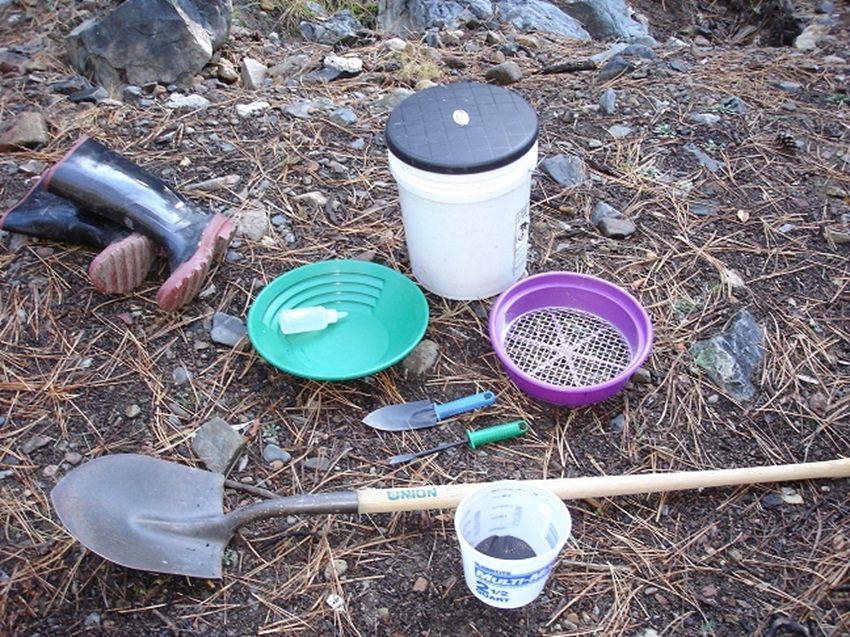
The truth is, prospecting isn’t just about luck. In fact, it’s more like science with a side of patience. You need at least a bit of geology knowledge to know where gold actually hides. Then comes the equipment: a pan, a detector, maybe a sluice box. And yes, you’ll need to know how to use them.
Tips for Gold Prospecting
If you’re really determined to succeed in this, you’ll need to start with research and learn about local geology and mining history. Then, you can start looking for beginner-friendly gold prospecting equipment for sale. Gold hunting takes time and persistence, so don’t get discouraged if results don’t show up right away. Sometimes the payoff hides behind hours of patience.
Also, train your eye to notice the little clues nature leaves behind. Quartz veins, rusty iron stains, or signs of old water flow can all point to gold‑bearing ground. And don’t forget to get familiar with the local regulations, secure the right permits, and leave nature as you found it. That way, your adventure stays both rewarding and responsible.
Where to Go Gold Prospecting
Finding the right location is crucial. Rivers and streams are classic spots, especially bends, riffles, and behind large rocks, where gold usually settles. Old mining sites may still hold some overlooked gold. Desert regions can also reveal gold in dry washes. Public lands, including national forests, often allow recreational prospecting.
If you’re serious about this, you can also join a prospecting club, which gives you access to claims, shared knowledge, and community support.
Best Equipment and Detectors
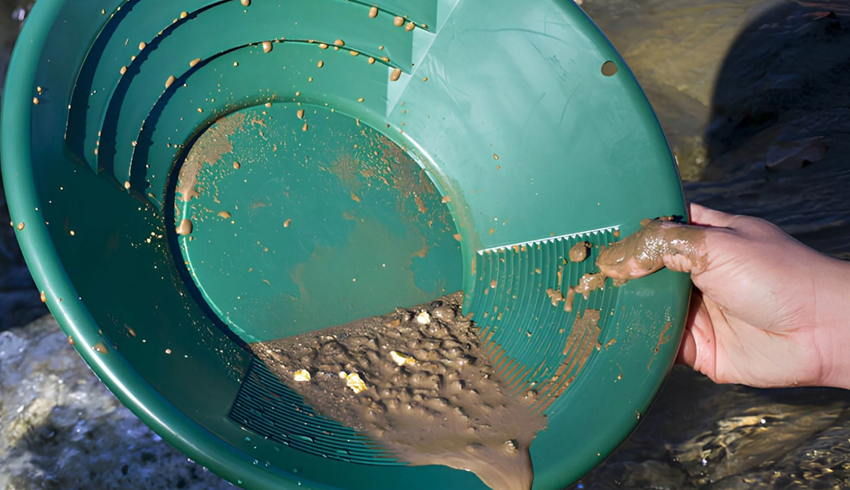
A quality metal detector helps locate buried gold nuggets. Gold pans remain a classic for separating flakes from sediment. Sluice boxes are useful for processing larger amounts of material, and crevice tools reach hidden cracks in bedrock.
For bigger operations, gold prospecting gear such as dredges and highbankers helps you handle larger volumes. Don’t overlook safety gear. Sturdy boots, sun protection, and plenty of water are must‑haves.
Gold prospecting isn’t a quick path to riches, but a mix of science, persistence, and a little humour when things don’t go your way. And that’s what makes the hunt worth it.
How Metal Detectors Work
A metal detector is an electronic prospecting tool that uses electromagnetic energy to spot metallic objects hidden in soil, sand, or even water. People use them for different purposes, like archaeology, security, mining, or simply for hunting coins and jewellery.
The detector has a main unit and a coil. When switched on, the coil creates an electromagnetic field shaped like a cone. If metal is present within that field, it creates tiny electrical currents known as eddy currents, which produce their own magnetic response. This is picked up by the receiver coil, then amplified and processed by the detector, triggering a beep, buzz, or screen alert to indicate a potential target.
Types of Metal Detectors
When it comes to equipment for metal detecting, there are three main types you’ll come across, each with its own strengths:
- Very Low Frequency (VLF): This one is the most common type, great for coins, jewellery, and relics. It runs on single frequencies, and it’s recommended for beginners.
- Multi-Frequency: These use several frequencies at once, offering better discrimination and performance in mineralised soils or saltwater beaches.
- Pulse Induction: If you go exploring in deep waters or work in tough conditions, opt for these. They don’t filter trash well, making them the best equipment for gold prospecting or working in remote areas.
With the right machine and a bit of practice, you’ll be ready to chase signals and maybe uncover something shiny worth keeping.
Can You Find Gold with a Metal Detector?
Yes, your metal detector can pick up gold. All detectors can find some gold, but if you’re serious about it, you’ll want one with a higher frequency.
These machines are more sensitive to tiny gold specks and flakes, even in tricky mineralised soil. However, if your metal detector isn’t picking up gold, you can still keep things simple and, over time, look for gold prospecting equipment for sale that is specifically designed for gold detection.
Let’s be honest: gold prospecting and metal detecting aren’t exactly hobbies that can make you rich overnight, but they’re a great activity that blends adventure, patience, and curiosity. You’ll learn to read the land, work with your equipment, and laugh at the times when all you dig up is a rusty bottle cap. Stick with it, though, and the thrill of spotting that first glint of gold will make the whole journey worth it.