The outback, the coastline, the remote camping spots deep into the bush… Australia has some of the most amazing camping spots on the planet. But, venturing off-grid doesn’t mean you have to go without the conveniences of modern living. Solar panels can provide reliable power for all your gadgets while harnessing our abundant sunshine. Let’s find out why they are the real buzz on the camping block.
Why Solar Panels Are Essential for Your Camping Experience
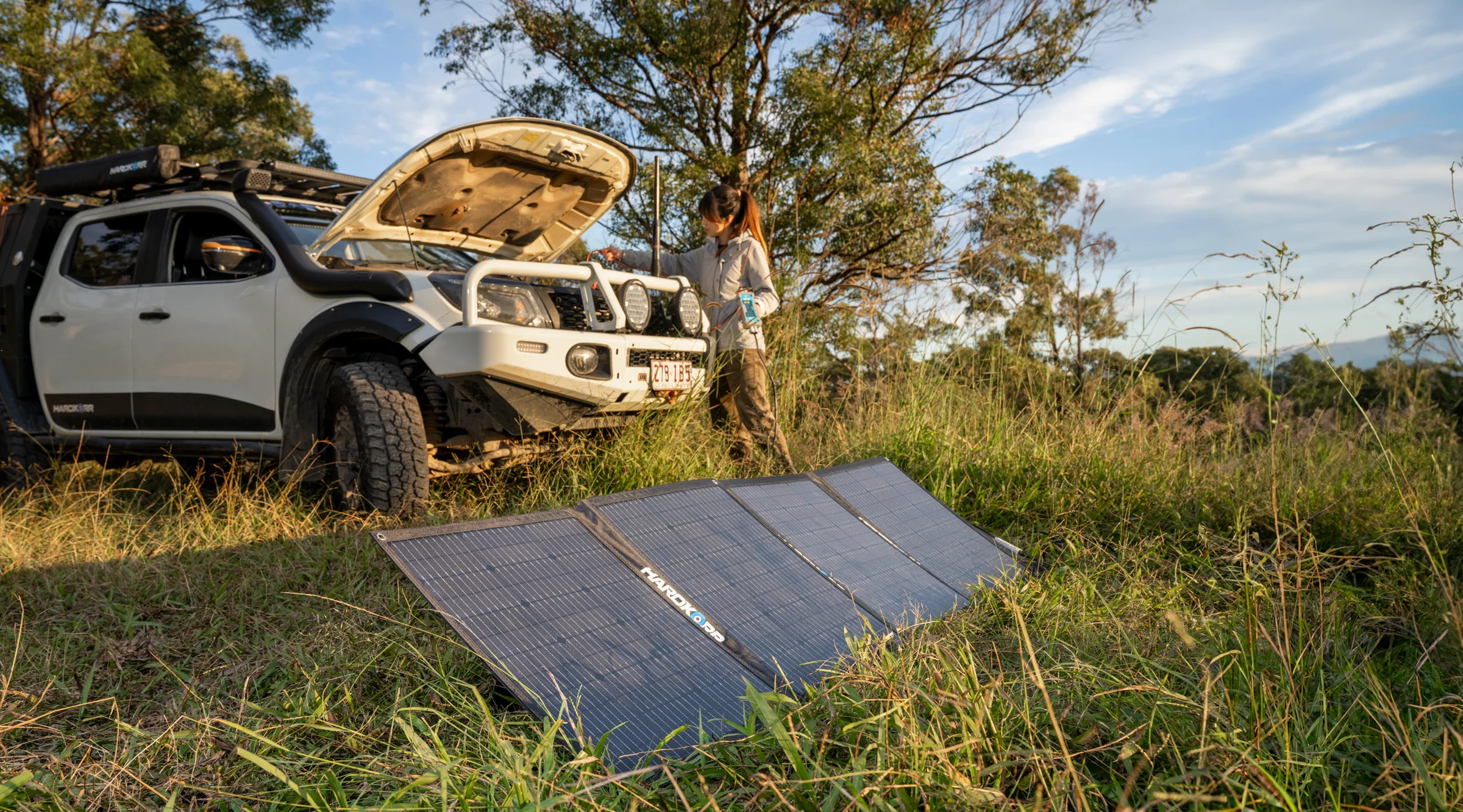
While some of the most amazing spots in Australia are miles away from the grid, we do have plenty of sun, making solar panels the obvious choice for outdoor adventures. These devices allow you to power necessary devices even when you are not connected to powered campsites or noisy generators.
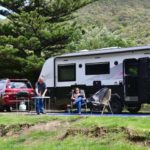
For grey nomads travelling in their caravans, four-wheel-drive enthusiasts trekking into the Simpson Desert, or families camping on secluded beaches, camping solar panels provide energy independence. Even in these remote spots, you can have a cold beer from the fridge, keep your communication devices functional, or enjoy the comfort of LED lights after sunset.
What Is My Power Need?
Before investing in a camping solar panel, establish the amount of electricity you need. Start by listing all the devices you usually use. For example, the electricity required to recharge a cellular phone may not exceed 10-15 watt-hours, while a 12V camping refrigerator consumes 30-50 amp-hours per day, depending on ambient temperature.
Remember that Australia’s conditions in summer can cause the fridge to labour in 40-degree temperatures, so you have to calculate the requirements accordingly. Leave some space for the cloudy days, panel losses, and other unpredictable power consumption needs with a buffer of 20-30 per cent.
Types of Camping Solar Panels
There are three main varieties of solar panels, each suitable for different camping activities.
Portable Panels
Portable and foldable panels are suitable for people who move locations and are the most popular among campers. These vary in size from 120W to 200W and come in a case with a built-in stand and are equipped with harnesses to connect to your battery and power station. These panels can be easily angled throughout the day for maximum sun exposure.
Fixed Panels
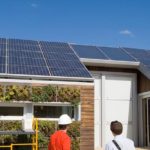
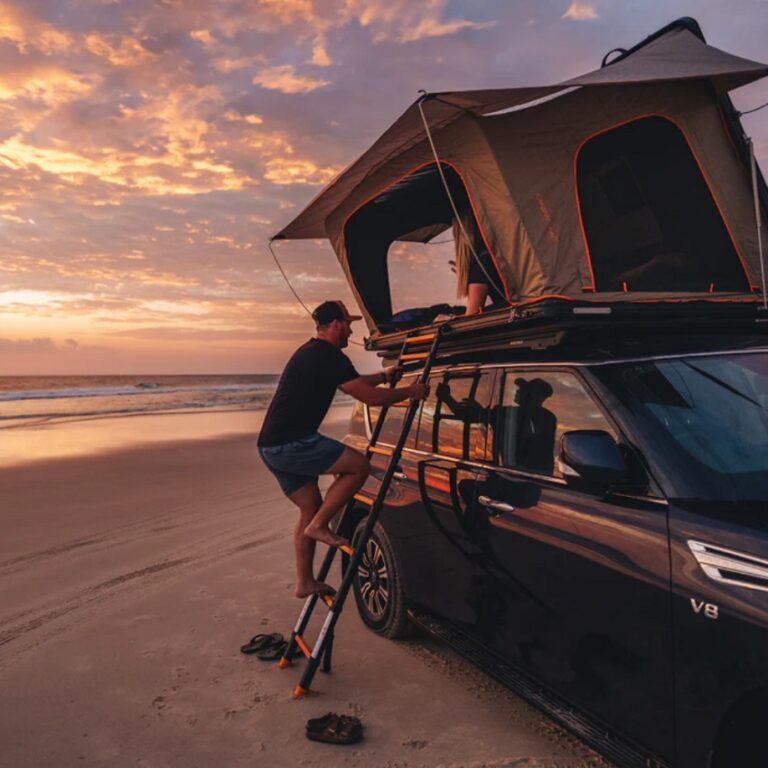
Fixed panels are best suited for caravans, camper trailers, and roof-top tents. Mounted on the roof of your vehicle, they provide charging for the batteries when driving and at the camp. Although fixed panels cannot be positioned anywhere, they can be used instantly. Many travellers opt for a combination system with fixed roof panels for constant battery charging and portable panels for supplemental power when stationary.
Flexible Panels
Flexible panels provide a lighter option that may be mounted on curved surfaces, but they tend to be less efficient and more fragile compared to their rigid counterparts. They could be best suited to backcountry adventurers or bikers with weight limitations, such as motorcyclists and ultralight campers.
Key Features to Consider
When it comes to choosing solar panels for conditions in Australia, focus on durability. Look for robust panels constructed to handle corrugations, dust storms, and even a few bangs from camping furniture. Although more costly, monocrystalline panels are far better in their efficiency rate when compared to polycrystalline solar modules.
Water and dust-resistant ratings are highly important. IP65 or higher guarantees that the panels are dust-resistant and can handle unexpected rain showers. Temperature coefficient ratings should also be considered, especially if you are camping in the Top End or Central Australia during the heat of the summer. Panels with lower temperature coefficients have better performance capabilities.
It is always good to have regulators or MPPT controllers built into the panel for the safety of the battery, as they help avoid battery overcharging. Most quality portable solar panels come with regulators, so check for compatibility with the battery, whether it is AGM, lithium, or gel.
Maximising Solar Efficiency in the Bush
Positioning is crucial when considering solar charging. For the southern side of Australia, during winter, positioning the solar panels at an angle towards the north at around 30 to 40 degrees is recommended. If you are in northern Australia during summer, a flatter angle might be the most effective position. Portable panels are the most advantageous in this respect. You can easily adjust them to face the sun.
Solar cell camping panels must be kept clean because the dust and red dirt cause considerable loss of efficiency. Wiping the panels with a damp cloth every morning will revive power losses of 10 to 20 per cent. Panels should not be placed under eucalyptus trees as the leaves and sap will either shade the panels or fall and damage them.
Investing in Energy Independence
Quality solar panels for camping are a significant purchase, but the savings add up quickly when you consider expenses for campsites with electricity or gasoline for generators. Even more importantly, solar panels allow you to explore the most remote and stunning parts of Australia. Offering the comfort of a steady supply of power for your camping essentials, panels allow you to live the life of adventure in the outback while enjoying the flexibility of solar power. For Australians who are fans of exploring the brown land, solar panels are much more than just a luxury item; they are a necessary component for outback adventure.