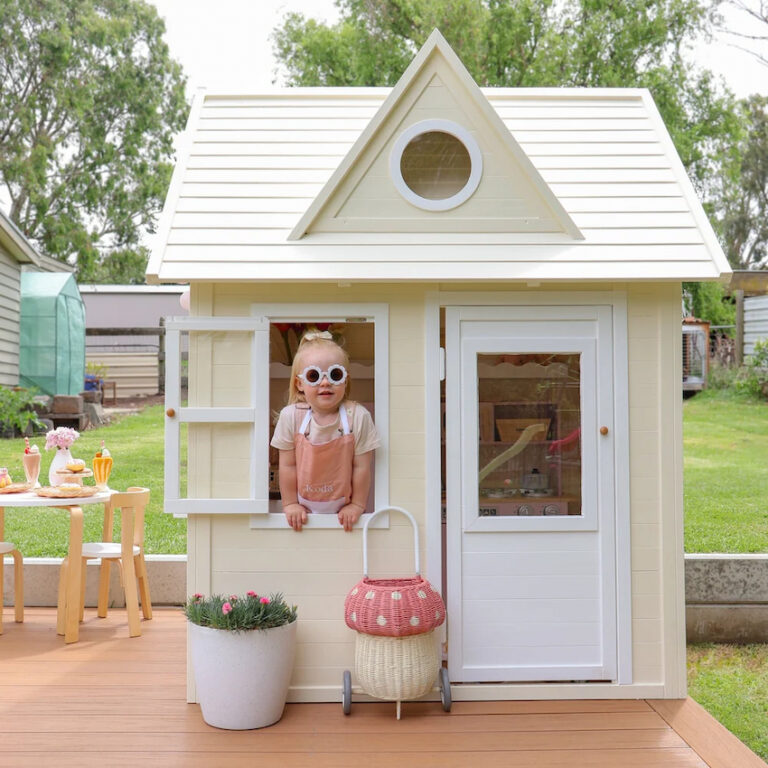
Ask a child what they’d like in the backyard, and they’ll almost certainly not name a perfectly mown lawn. What they want is a place to hide in, build in and pretend. A cubby house is precisely that. A bit of grass with a front door and a roof over it can become a bakery, a castle or a secret base, and the best school holiday adventures can begin. If you’re thinking of adding one to your yard, here’s what you need to know.
What Is a Cubby House and How Do Kids Benefit from It?
A cubby house is a child-sized structure built for outdoor play, essentially a miniature house. It’s more than just a nice little addition to the garden. It gives the child a space of their own, and that sense of ownership is where the imaginative play comes in. Running a shop, hosting a tea party or making up a story all come much more naturally when there’s a front door to walk through.
All of these games help children develop their language skills, creativity and problem-solving abilities. A cubby also keeps the kids moving. They climb in, duck through the doorways, and play in and around the house for hours. That’s active time outdoors, with storytelling and movement going hand in hand.
Playing with siblings or friends teaches them to share space, take turns and negotiate. Having a place that is truly their own builds confidence and independence. Best of all, a cubby gets the kids out of the house, trading screen time for fresh air, sunshine and the kind of unstructured play that’s so easy to miss but so very hard to replace.
Why Parents Choose Timber
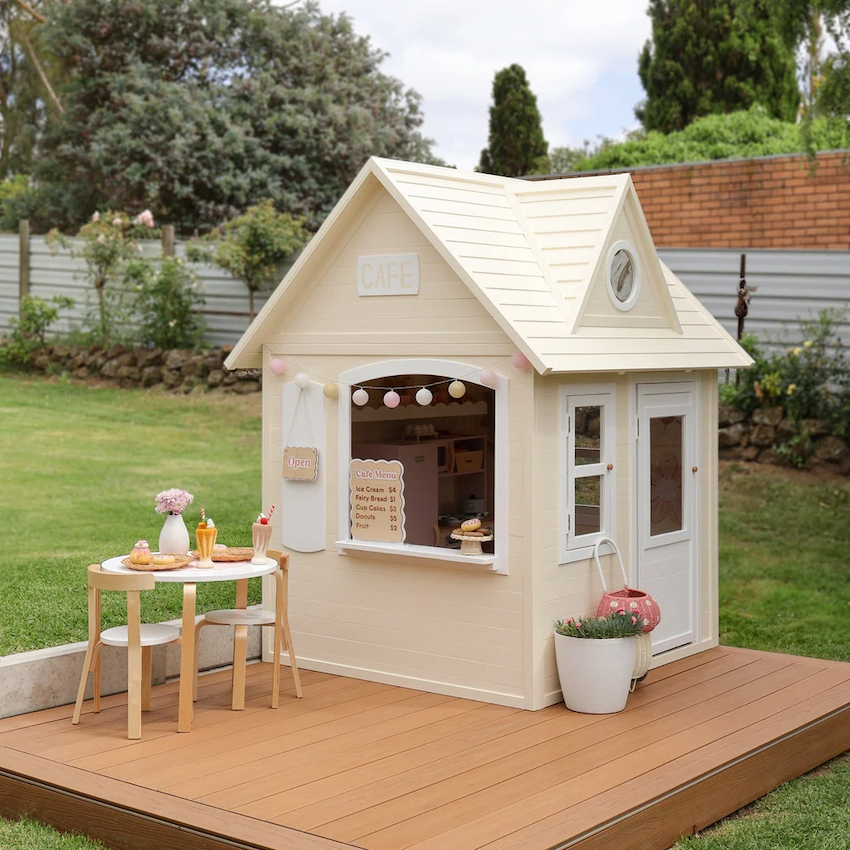
When looking for something that will last, parents often pick a well-crafted wooden cubby house for several reasons:
- Classic look. A timber structure is far less intrusive in the garden than plastic and works with both the garden and the house.
- A greener option. Wood is generally seen as more sustainable than plastic, and it’s obviously more ‘natural’ in the hands of little people.
- Durability. Durable materials are far more likely to withstand bumps, the elements and general day-to-day wear and tear.
- Comfort. The timber helps to keep the inside cool in summer and warm in winter. A well-made timber cubby can last through years of active play, making it a sound long-term investment rather than a short-lived toy.
The Details That Matter
Choosing a cubby is about more than just looks. The features you choose will affect how children use the space, how comfortable it is to play in and how well it holds up in your yard. Look for:
- Weather-resistant timber that can withstand sun and rain.
- Windows that open to let in some fresh air and give the kids something to play with.
- Split doors that small hands can manage.
- Skylights to bring in natural light and make the space bright and airy/cosy.
- Safety standards. Make sure the cubby meets the Australian standards so you can just relax while they’re playing.
Make It Their Own
Personal touches turn a cubby house from a good structure into a place that is actually liked. Flower boxes, removable window blinds and a personal nameplate will go a long way. You could go further still by introducing a theme, personal colours and your own floor plan.
Many families will build a full play zone around the house. A mud kitchen or play kitchen in the vicinity is a great way to encourage role play, and a climbing wall or a slide in a bright pastel colour adds a burst of energy. All of these details turn a wooden cubby house into a focal point of the backyard play area.
Planning Your Space
Before you buy, measure the garden carefully. Even a small cubby needs some space around it, not just space for its footprint. The smaller models are ideal for smaller yards and will fit nicely in with the rest of your outdoor kids’ furniture. The larger ones can be over 2m tall with a footprint of around 1.5 x 1.8m.
Leave at least a metre of clear space around the cubby so the kids can move around it safely and you can get right up to it for supervision or for the occasional invitation to tea.
Questions Parents Often Ask
What age is a cubby house suitable for? Most houses are suitable for children aged two to seven, covering everything from the toddler years right through to early primary school.
Can we move it if we relocate? Most of the timber cubbies can be disassembled and moved with care, so the investment can go with you.
Can adults get in on the fun? Yes! You can find larger cubby houses with enough room for an adult to crawl inside, which can be handy when younger children need a little help with their play.
Where the Adventures Begin
Cubby houses are small buildings with a massive amount of potential. It’s a place for kids to be imaginative, to move about and to be independent. It’s just as rewarding for parents, who get to sit back and watch their kids enjoy hours of outdoor play. With a sturdy timber frame, a few thoughtful features, and your own personal touches, you’ll quickly find yourself pausing to listen to the giggles coming from the backyard.