Induction cooking has transformed modern kitchens with its sleek aesthetics, speed, and smart technology. Unlike gas or electric cooking, this type uses electromagnetic energy to directly heat pots and pans, offering incredible efficiency, lightning-fast response times, precise temperature control, and enhanced safety. There’s no open flame, no residual heat from burners, and best of all, cooking becomes quicker and more controlled.
But to unlock the full potential of this cutting-edge technology, you need the right tools. Specifically, you need pots and pans designed to interact with the induction cooktop’s magnetic field. Without them, even the most advanced cooktop is powerless.
What Cookware Is Suitable for Induction?
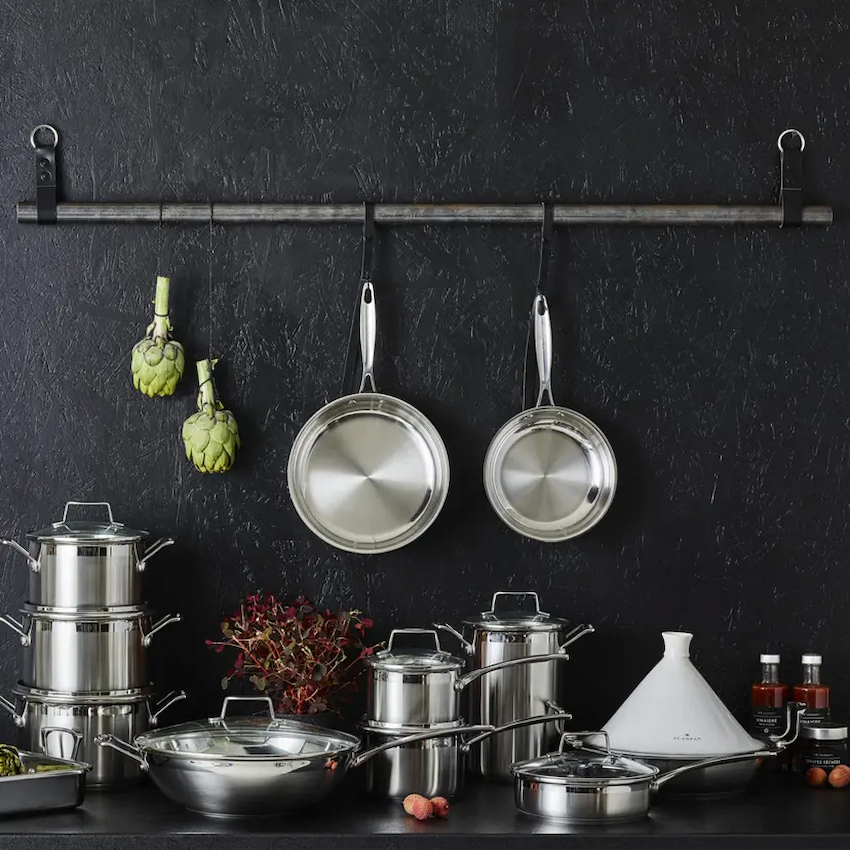
Stainless Steel: The All-Rounder
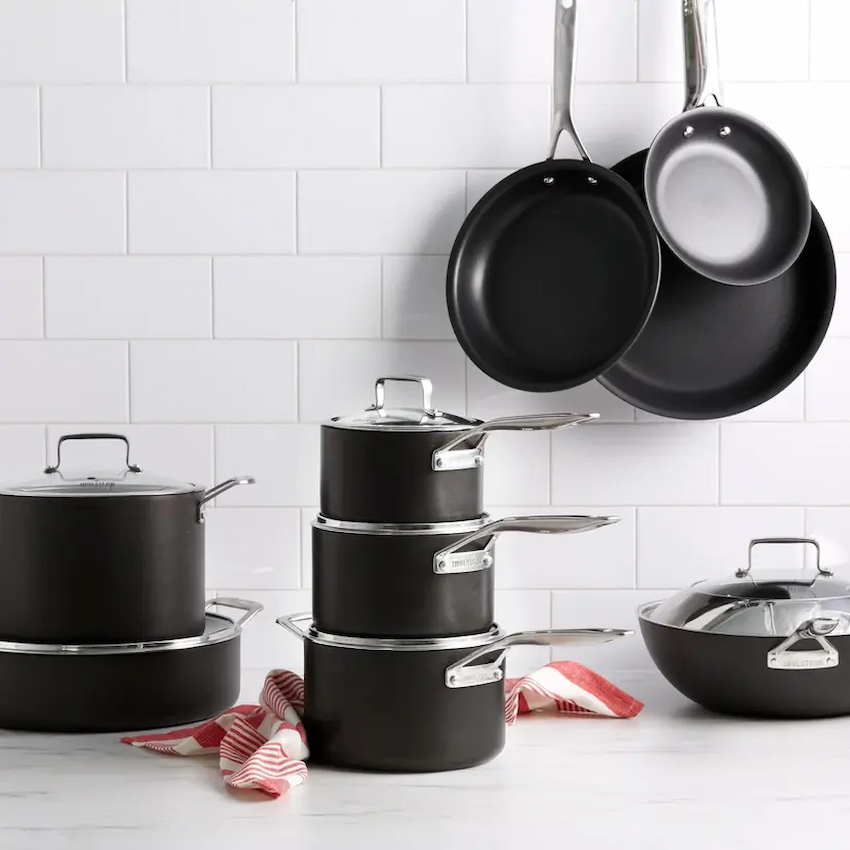
Stainless steel is among the most popular materials for specialised induction suitable cookware thanks to its durability, sleek appearance, and non-reactive surface. However, not all stainless steel is magnetic. Only certain grades, like 18/0, with no nickel, are compatible with induction.
Pros:
- Long-lasting and easy to clean.
- Doesn’t react with acidic foods.
- Often combined with aluminium or copper cores for better heat conductivity.
Cons:
- It can have poor heat conduction on its own unless paired with a conductive core.
- It can discolour or stain with misuse.
Cast Iron: The Heat Retention Champion
Cast iron is naturally magnetic, making it perfectly suited for this type of cooking. Its unmatched heat retention makes it excellent for searing, frying, and slow cooking. However, its weight and maintenance needs make it less convenient for everyday use.
Pros:
- Excellent heat retention and even heating.
- Ideal for high-heat cooking and stews.
Cons:
- Heavy and can damage the cooktop glass if handled carelessly.
- Requires seasoning and proper drying to prevent rust.
Enamel-Coated Cast Iron: Classic Meets Convenience
This is cast iron with a smooth, non-reactive enamel coating. It retains the magnetic properties of cast iron but eliminates the need for seasoning, making it more user-friendly.
Pros:
- Retains heat like raw cast iron.
- Easier to clean and won’t react with food acids.
Cons:
- Still heavy.
- Enamel can chip if mishandled.
Carbon Steel: Lightweight Power
Carbon steel is another magnetic metal with high thermal conductivity, often used in woks and skillets. It’s lighter than cast iron and develops a natural non-stick patina over time.
Pros:
- Heats quickly and evenly.
- Lightweight and manoeuvrable.
Cons:
- Requires seasoning and care to prevent rust.
- It can warp under very high heat.
Magnetic-Core Aluminium or Copper
Since aluminium and copper aren’t naturally magnetic, these pans must include a magnetic stainless steel base. These designs combine rapid heat conductivity with compatibility.
Pros:
- Even heating thanks to the conductive core.
- Lightweight and efficient.
Cons:
- A magnetic base may not always distribute heat evenly unless it is of high quality.
Non-Stick Pans and Pots
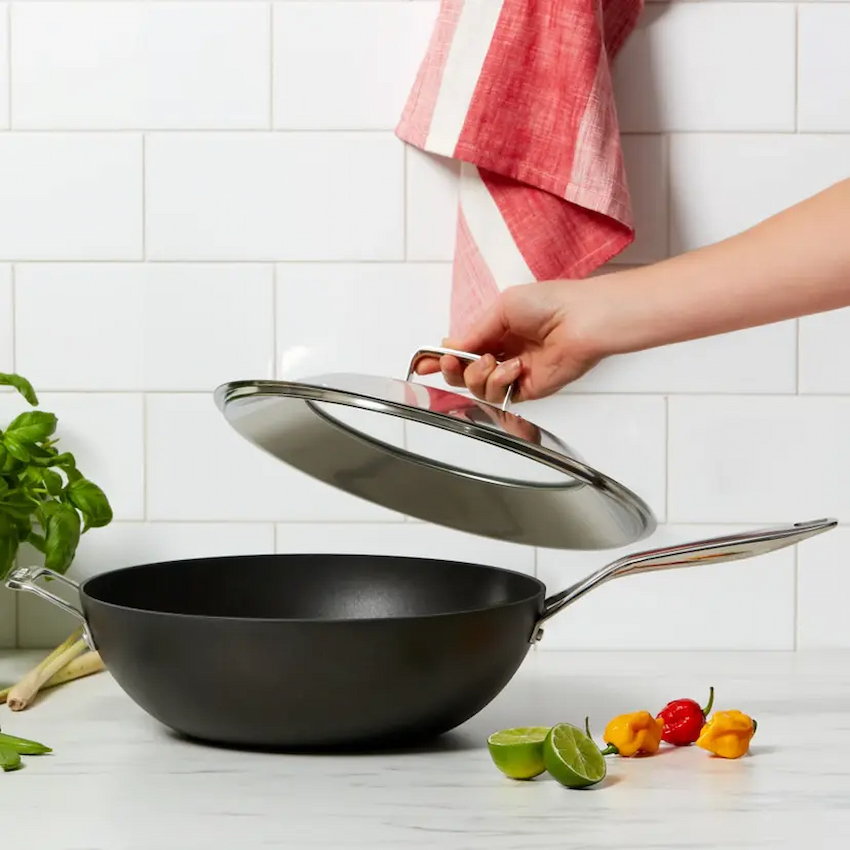
Most non-stick pans are made with aluminium, but can still work with induction if they have a stainless steel plate bonded to the bottom. These are common choices for quick cooking and easy clean-up.
Pros:
- Low-maintenance, great for eggs and delicate foods.
- Easy to clean.
Cons:
- Coating can degrade over time.
- Must ensure magnetic base is present.
What Features to Prioritise When Buying
Base Construction
A flat base is crucial for proper contact with the cooktop. Warped pans result in inefficient heating and possible damage to the cookware or burner. A thick, heavy base, especially multi-ply, offers better heat distribution and minimises warping. In stainless steel cookware, an encapsulated aluminium or copper core in the base is ideal for spreading heat evenly.
Handle Quality
Handles should be heat-resistant and securely attached. Riveted or welded handles are generally more durable than those attached with screws. Comfort and grip also matter, especially for heavier cookware like cast iron.
Weight and Balance
Quality cookware should feel substantial in your hand, light enough for easy use, yet heavy enough to ensure contact with the induction burner. A well-balanced pan won’t tip or wobble on the glass surface.
Material Quality and Grades
For stainless steel, look for 18/10 or 18/8 grades for cooking surfaces. They’re rust-resistant and durable. The magnetic base, however, often uses 18/0 steel to ensure compatibility.
Price vs. Performance
While cookware for induction use can be an investment, the long-term performance often justifies the cost. Cheaper pans might warp or offer uneven heating, costing more in frustration over time.
Optimising Use and Care of Induction Cookware
Smart Usage Tips
Match pan size to burner size to maximise efficiency. Never overheat empty pans. Induction heats quickly and can damage cookware. Avoid sliding heavy pots across the surface to prevent scratches.
Cleaning and Maintenance
Follow the manufacturer’s care instructions, especially for non-stick induction cookware. Handwashing is often best, and harsh cleaners should be avoided to protect finishes. For cast iron and carbon steel, thorough drying is essential to prevent rust.
Common Problems
If your pan isn’t heating, double-check its magnetic base and ensure your cooktop is activated. Some induction burner cookware may emit a faint humming noise, which is normal, especially with thinner pans. Uneven heating usually indicates a warped base or pan mismatch.
Cooking Smarter with the Right Tools
Choosing induction suitable cookware means more than just compatibility. It’s about performance, safety, and unlocking your cooktop’s full potential. From magnetic bases to durable construction and thoughtful design, the right option will help you prepare food more precisely and confidently. Whether you prefer classic cast iron, modern non-stick, or high-end stainless steel, investing in quality cookware for induction cooktops can transform your culinary experience.