Ever watched Aussie Gold Hunters and thought, “I’d love to try that”? Whether it’s the thrill of the chase or the joy of being outdoors, gold hunting is a hobby that’s easy to start and can be full of surprises.
When heading to the prospecting supply store, don’t worry, you don’t need to spend a fortune to get started. As a beginner, all you really need are a few basic tools and a healthy dose of adventure.
Gold Panning vs. Metal Detecting
The search for gold sparks curiosity in many people. If your social media feed is full of videos of gold hunting, or you enjoy watching these kinds of shows on science channels, maybe it’s time to try it out in real life.
Metal detecting and gold panning are two distinct methods for searching for treasure. If either one catches your interest, you can start by renting beginner-friendly prospector tools. And if you enjoy the experience, you can always invest in your own gear and dive deeper into the hobby.
Gold Panning
Gold panning is a simple way to search for small flakes or nuggets of gold in rivers and streams, allowing you to enjoy nature while doing so. It’s recommended for beginners, as the equipment is more affordable. Begin with a pan and a shovel, and over time, you can add other professional gold prospecting supplies to your collection.
To start the process, take your pan and use it to scoop up dirt and gravel, then swirl it in water. The lighter materials will wash away, and the gold will settle at the bottom due to its weight. It’s easy to learn and doesn’t cost much to start.
Metal Detecting
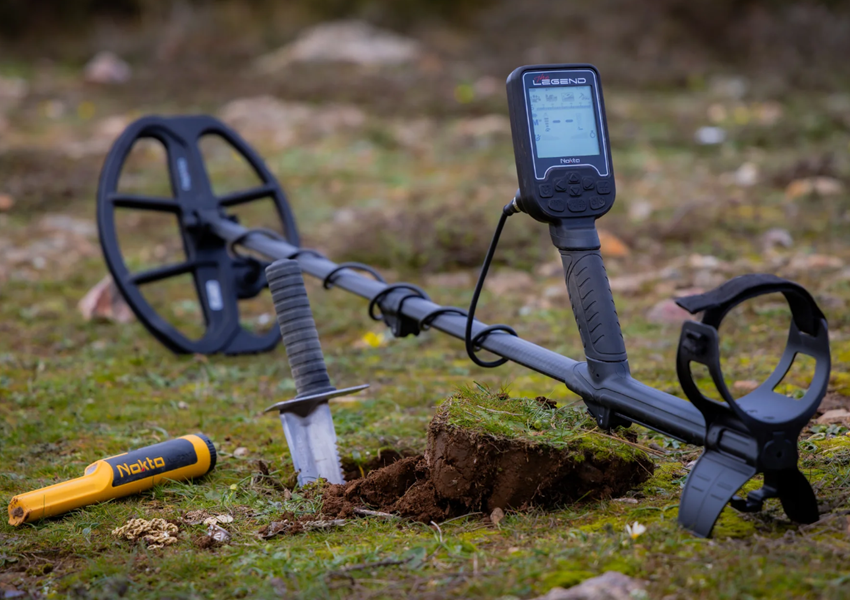
Metal detecting relies on a specialised machine to find metal objects underground. It’s great for finding larger gold pieces in dry areas, away from rivers.
The equipment is more expensive compared to gold panning tools. You’ll need a detector, headphones, digging tools, and maybe a pouch or sand scoop. You’ll also need to learn and practice using the detector and reading signals properly.
Metal detecting devices can uncover coins, wedding rings, and sometimes even hidden treasures. It’s a good idea to take them to the park, beach, or any old sites.
Both methods can help you find gold and other interesting objects. Try both to see which one suits you best.
Gold Panning Equipment
The following list is a bit longer, but don’t let that discourage you. Starting gold panning is actually easy and doesn’t need much gear. Most of the listed items are used by professional gold panners who’ve spent time learning the craft.
For you, basic tools like a pan and a shovel are just enough. But once you’ve found some gold, you can upgrade to more advanced prospector tools if that’s something you want to do.
Gold Pan and A Bucket
You’ll need a gold pan and a standard bucket to begin with. The bucket helps carry materials and works well with classifiers. The gold pan separates gold from sand and gravel.
If you get a larger pan, you can pass through more material in a shorter time. However, a smaller pan offers better control when looking for fine gold. Having both sizes makes the job easier.
Shovel and Trowel
Another key tool is a shovel to dig up dirt and gravel from riverbeds. A small trowel will also come in handy for tight spots and careful digging. These tools don’t need to be special as anything sturdy and easy to carry will do.
Classifier or Sieve
A classifier is a screen that sits on top of your pan or bucket. It filters out large rocks and lets smaller material through.
Try to find a set of classifiers in different sizes. This helps separate the material by particle size. Larger rocks stay on top while finer sediment, which may contain gold, passes through. Using multiple sizes makes sorting easier and helps you focus on the dirt that might contain gold, making panning faster and more effective.
Snuffer Bottle
When you find a tiny gold flake, use a snuffer bottle to catch it. This small bottle lets you suck up tiny gold pieces from your pan. It’s a simple tool that has helped many gold panners collect their findings without losing them in the water.
Gold Vial
The gold vials are practically the gold organisers. Once you’ve collected gold, a gold vial serves as a safe place to store it. They can be made of either plastic or glass, and you can choose what’s more convenient for you.
Crevice Tool
Gold often hides in cracks in rocks. Keeping a crevice tool in your collection helps you reach into these spaces and pull out dirt that might contain gold. You can even get creative and use a screwdriver or a small crowbar.
With the right tools, patience and a bit of practice, gold panning can be a fun and rewarding hobby.
Metal Detecting Equipment
Getting started with metal detecting for gold doesn’t require many prospecting supplies, but having the right gear makes a big difference. Here’s a short list of what you’ll need to begin with.
- Metal Detector:This is your lifeline in the hunt for gold. It helps you find gold buried in soil or rocks, and every beep could be the sound of something valuable.
- Pinpointer: This is the smaller, handheld version of the original metal detector. Once the metal detector finds the general area, the pinpointer will save you time by helping you find the exact spot where the object is buried.
- Digging Tools: Just like in gold panning, you’ll need a small shovel or hand trowel to reach those harder-to-access spots. These help you dig carefully without damaging anything valuable.
- Rock Pick:A rock pick, also called a pickaxe, is a useful prospector tool for breaking up hard ground or rocky areas. It helps you reach deeper spots where you might find gold.
- Headphones: Some people swear by using headphones during the process. These devices help you hear faint signals better and block out background noise, especially in noisy places like near rivers or busy trails.
With these tools, you’re ready to start searching. Take care of your prospecting gear and be prepared for a positive gold-hunting journey.
Final Thoughts
There’s no wrong choice between gold panning and metal detecting. They are both fun and rewarding hobbies. Start with the basics, enjoy the process, and upgrade your gold prospecting gear as you go.
Related Posts
 How to Choose a Foam Backer Rod for Durable Sealant Joints
 Welding Screens: Different Types and Features to Consider
 Silicone Sealant: A Reliable Roof and Gutters Adhesive with Unique Properties
 Doughnut Fryer: A Simple and Fast Way to Make Doughnuts
 The Essential Pieces of Equipment When Opening a Bakery